About
I've spent a lot of my life working out how to be in a room.
This is the longer version of why I practice the way I do.
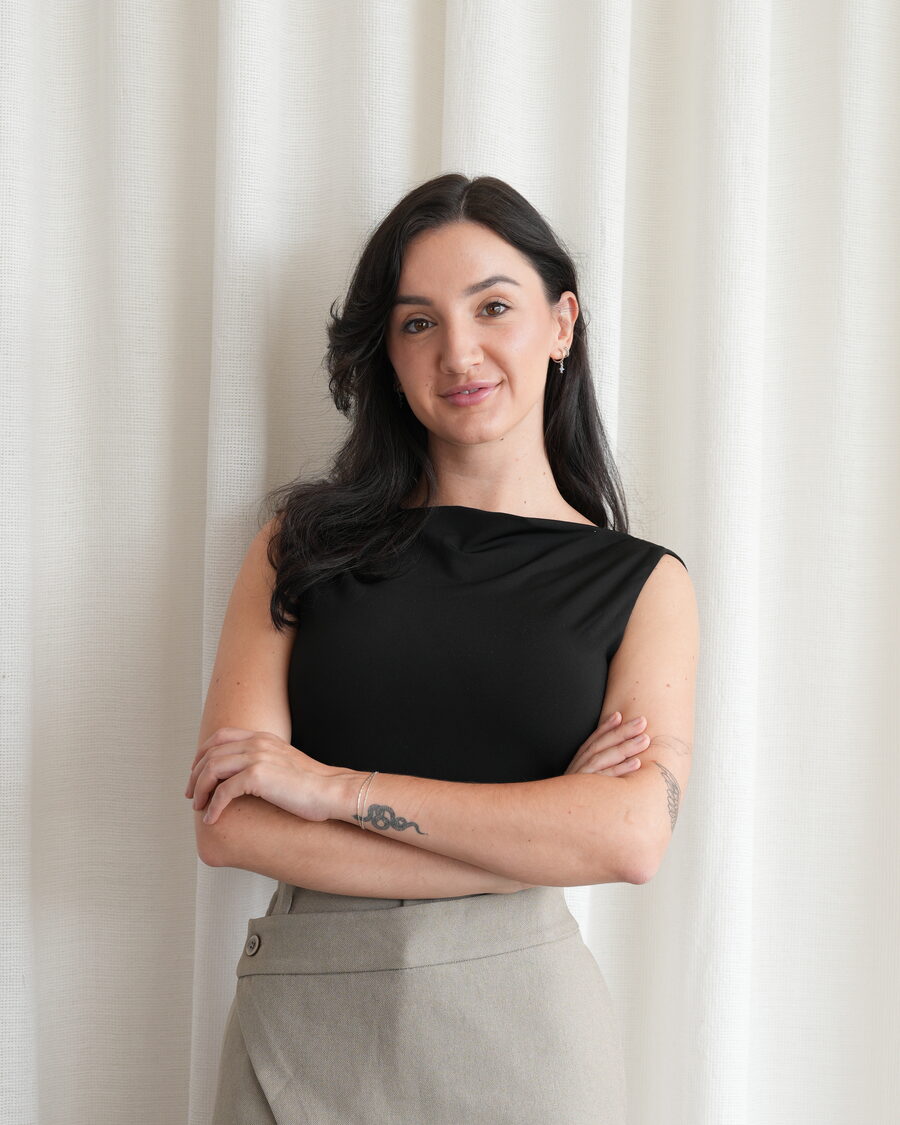
Nikki Spyrou, cosmetic Registered Nurse in Fairfield, Melbourne's inner north
I know what it costs to work out who to be in a room.
Walking into somewhere new, I'm running a quiet calculation the whole time I'm there. How do I fit here. How am I supposed to behave. Which version of myself is the safe one to bring out, which parts of my humour will land and which are too risky, how much of the particular, odd stuff can I show before it costs me something. It happens fast, it happens whether I want it to or not, and it is genuinely tiring.
Beauty spaces have been some of the hardest for it. There's often an unspoken sense that you're meant to already know the language, or already look a certain way, before you properly belong in the room.
What I've noticed is that the weight lifts the moment somebody else goes first. Someone says something silly or lighthearted, and suddenly there's permission, and I can stop managing myself and just be there with them.
I don't want anyone waiting on that permission from me. I don't want you arriving at my door and reaching for your medical clinic persona, the polite flattened version of yourself that gets you through appointments. If there's one thing I want this practice to be, it's the sort of room that gets a proper sigh of relief out of you, because you can just be.
I'm queer, I'm neurodivergent, and I've worked in industries people are quick to judge. Those things are part of why the calculation is so familiar to me. They're not the point of this page though, because plenty of people who share none of them know exactly the feeling I'm describing.
My approach
I'd rather learn how you see it than tell you how it should look.
Understanding your eye is as much a part of the assessment as understanding your anatomy.
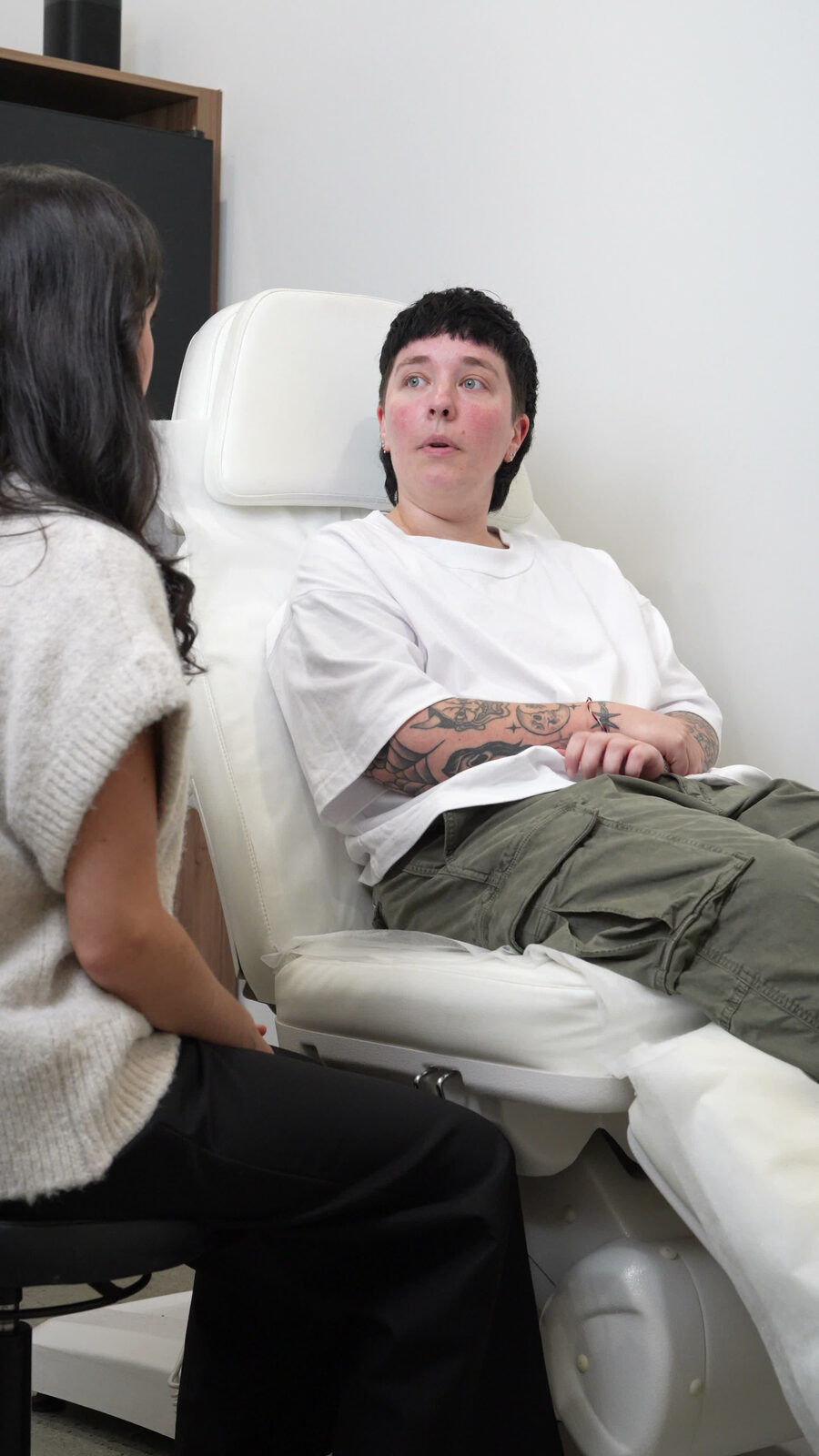
There's a long-standing visual shorthand in aesthetics. A stronger, squarer jawline gets read as masculine. Prominent cheek structure gets read as feminine. A rectangular face shape sits at one end of that scale, an oval or a heart shape at the other. I need to know that shorthand properly, because it's part of understanding how a face is put together, and how changing one area shifts the way the whole thing reads.
What the shorthand describes is how faces tend to be read by other people. It says nothing about where you should want to sit on it.
Some people do want to sit more clearly at one end of it. Others want to sit deliberately somewhere in between. Someone might love a cheekbone sharper and more angular than a textbook would ever call balanced. Someone else is drawn to something more feline, or softer and more doe-like, or to shapes they've found in art and fashion rather than on another person's face. There's a long tradition of that outside this industry, from Alexander McQueen's armadillo shoes to Lady Gaga's horns in Born This Way, where looking conventionally pretty was never the brief.
None of that is mine to correct. My job is to get curious enough about your eye to actually understand it, which means asking a lot of questions and paying real attention to what you're drawn to and why. From there I'm working with two things at once: what your face structurally allows, and what you genuinely find beautiful. Holding both is what gives us the best chance of landing somewhere you're glad about.
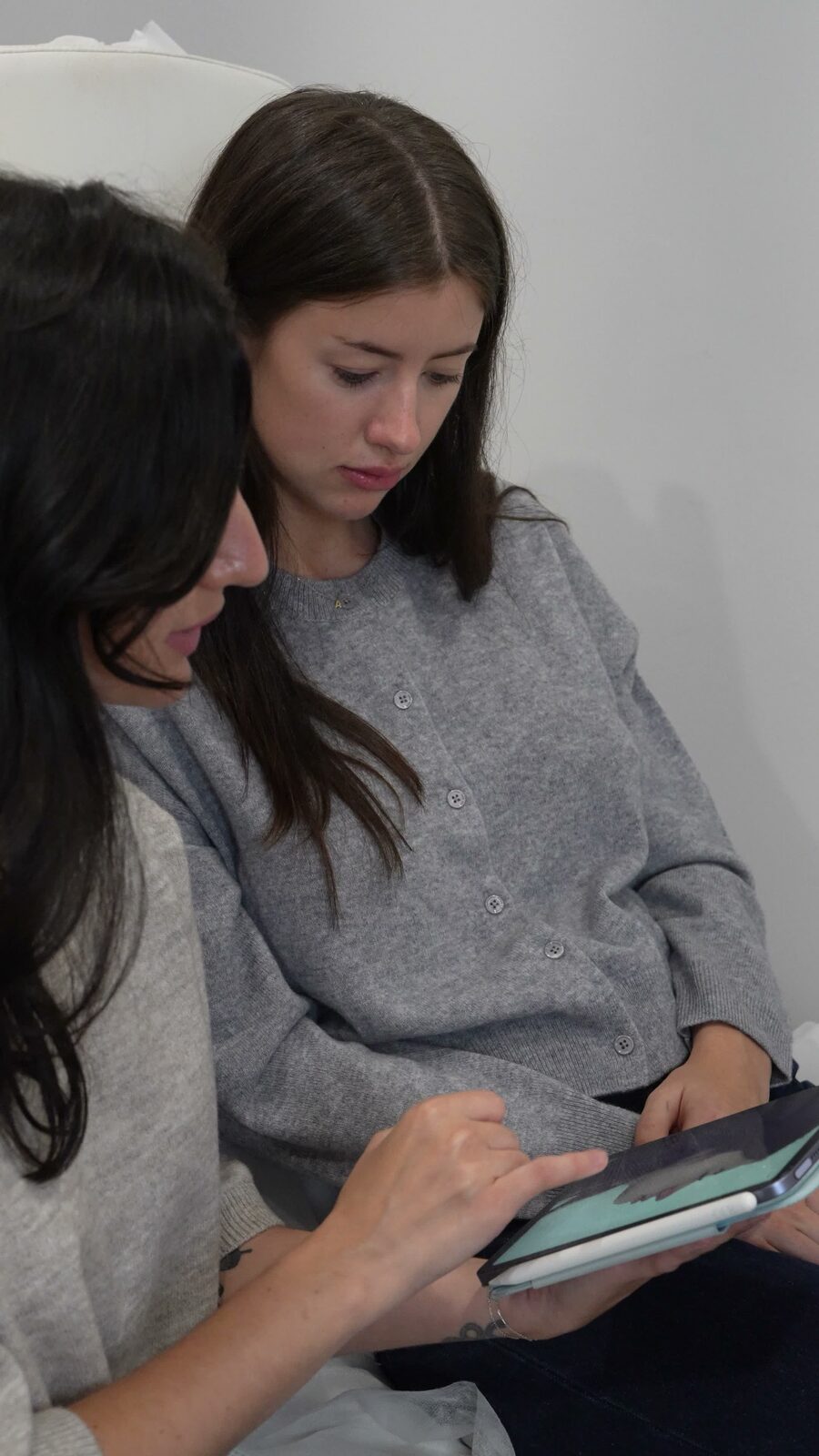
Sometimes the honest answer is that I'm not the right person for it. If what you're picturing sits outside what I can do well, or outside what I'd be comfortable doing, I'd rather say so and point you toward someone whose work is a genuine match for your vision. That's a better result for you than me having a go at something I'm not suited to.
For some people these features carry real weight in how they're read by others day to day, and getting them closer to right matters well beyond the aesthetics of it. I've worked with people wanting a particular feature softened or sharpened so their face sits closer to how they understand themselves, and with people undoing work that no longer fits who they are now.
It's something I care a great deal about, and there's more to say about it than belongs on this page. If it's what's bringing you in, it's a conversation we can have properly at a consult, without you having to explain or justify the goal before we start.
The clinical side of it.
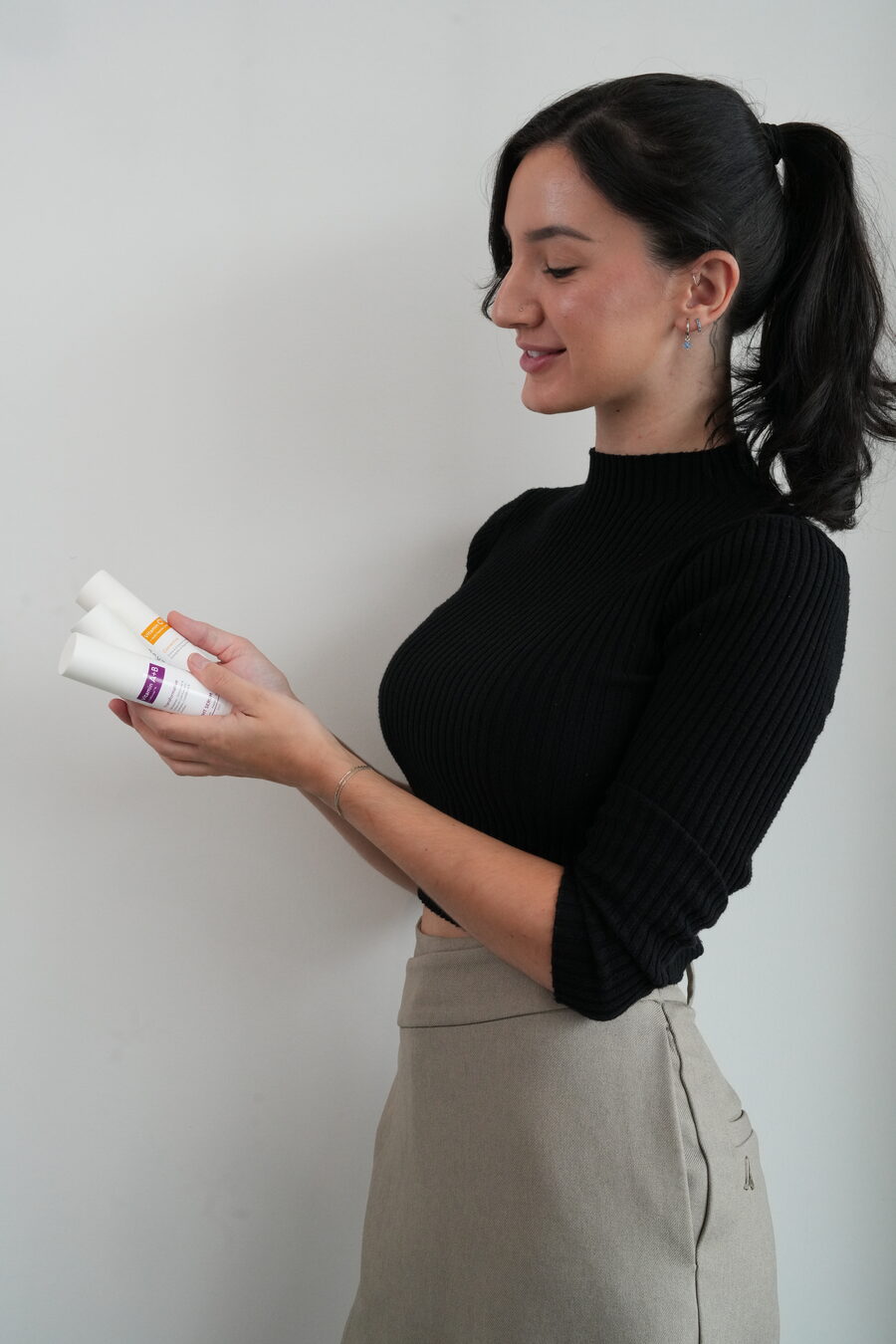
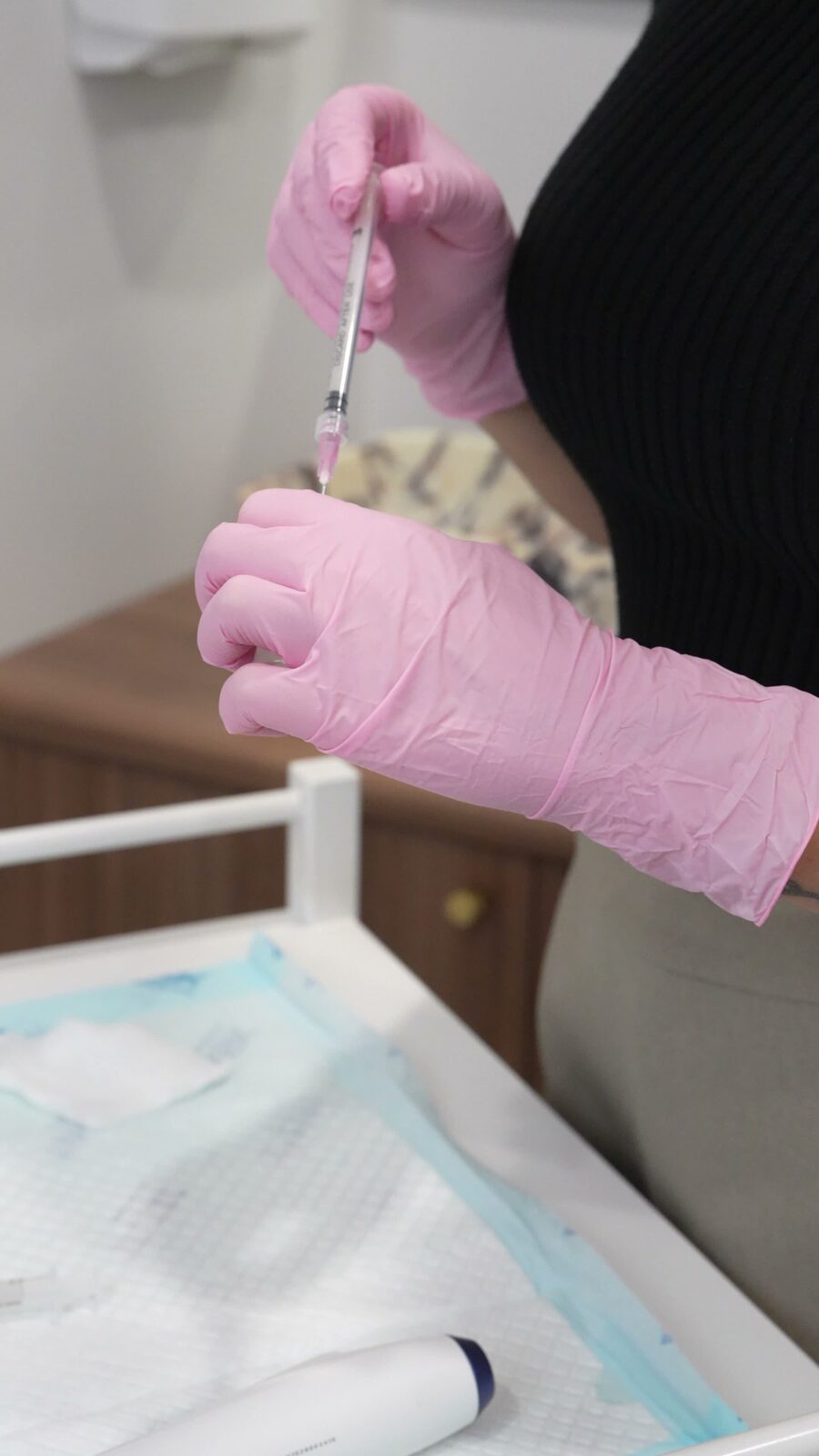
I qualified as a Registered Nurse and spent three years in the acute hospital setting, moving into aesthetics and cosmetic surgery a year into that, so the two ran alongside each other for a long time before aesthetics became the whole job.
A good deal of what circulates in cosmetic nursing is marketing that has been repeated often enough to sound like consensus. The only way I've found to tell the difference is to keep reading the actual literature and keep being taught by people who know more than I do. In practice that means conferences, seminars and cadaver workshops, mentorship early on from an established practitioner in the field, and a network of experienced aesthetic professionals I can talk a case through with when something sits outside my own experience.
The same test applies to anything I bring into this clinic. Where the evidence behind something is thin, where the longer-term results don't hold up, or where the cost isn't justified by what it actually does, it doesn't get offered here, however much noise is being made about it.
- Registration
- Registered Nurse (Div 1), general registration with AHPRA, NMW0002676722
- Safety
- A member of the Aesthetic Medical Emergency Team (AMET)
- Special interest
- Concerns that hold real meaning for the person living with them, and what genuinely moves you toward your longer-term goals
- Scope
- Where something sits outside what I do, I'll say so and point you to who's better placed
I'd rather take the time to work out what's really driving the thing that bothers you, than reach straight for a product in my kit.
Honest conversations about risk.
Every option has limits, and I'd rather you hear about them from me while it's still free to change your mind.
Risks, side effects, downtime and the things that can go wrong get discussed properly before you decide anything, rather than read off a form once you're already in the chair. I'll tell you what an option can't do alongside what it can, and if what you're picturing isn't something it can deliver, you'll hear that from me first.
That includes telling you when a treatment isn't the answer at all, even when it's the one you came in asking for. Sometimes what's driving a concern is something no treatment will touch, and I'd rather say so, and talk through who else might be worth seeing, than take your money for something that won't help.
Just me
There's nobody here to hand you over to.
NDI is a solo practice and I intend to keep it that way. The person doing your consult, your treatment and your review months later is the same person every time, holding the actual history of what we've tried and how your skin and face responded, rather than reading back a note written by whoever happened to be rostered on last.
It means I see fewer people than a larger clinic would. That's the trade, and I'm happy with it. I'd rather build a smaller number of real relationships than a bigger practice I can't properly be present in.
How I'd like to take up space in this industry.
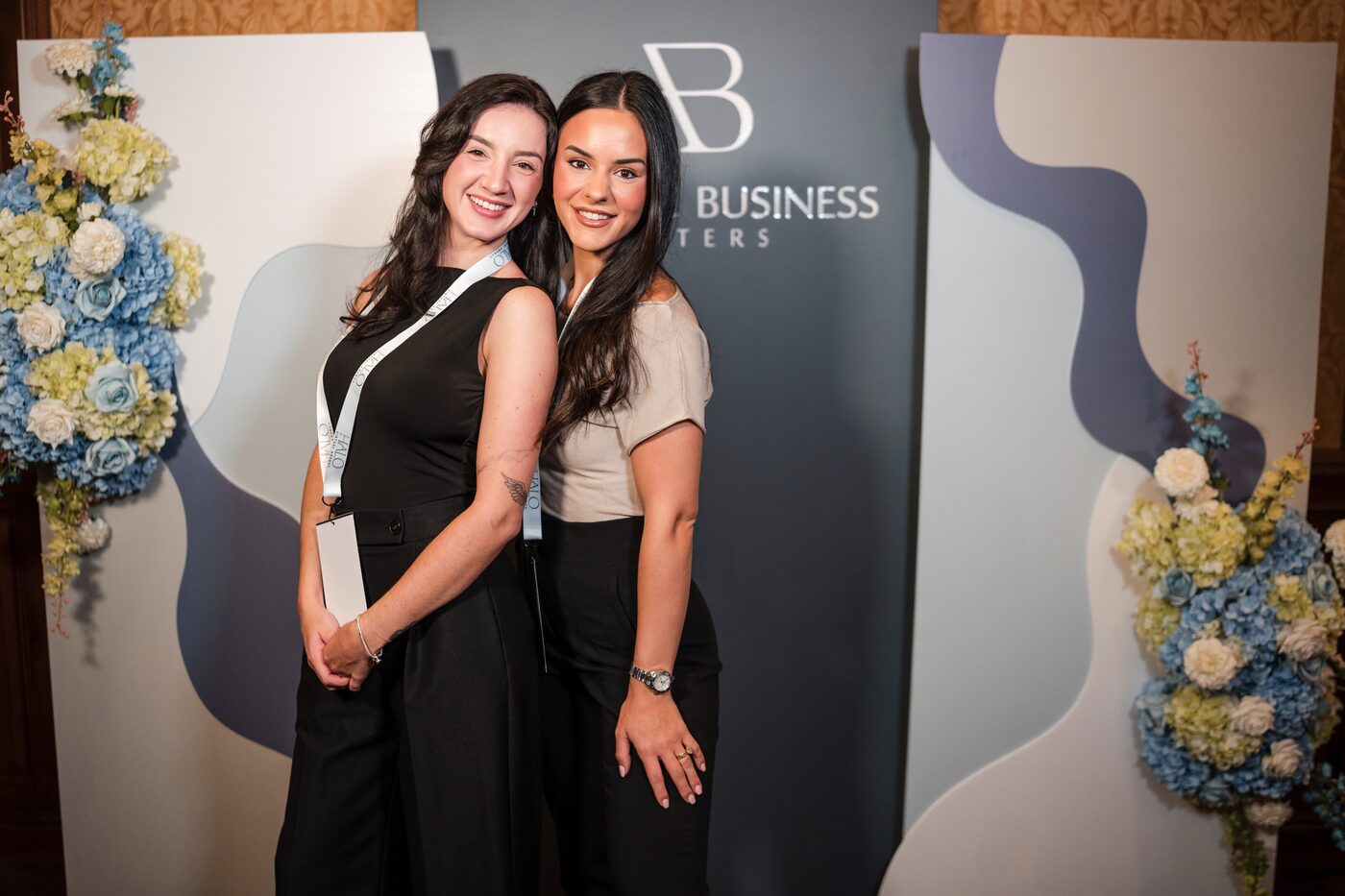
I'm not trying to build the biggest clinic, or the one that offers everything. What interests me is something more intentional, a small number of things done properly, for people who are tired of not quite fitting anywhere.
Longer term I'd like this to be more than a room you come to for an appointment. I want it to have a culture around it, where the people who come here have something in common beyond having booked the same treatment, and where the local people and businesses whose work I admire have a real way of being part of it.
That's a slow build and I'm in no hurry with it. The part I can do now is make sure the way this practice already treats people would still hold up at whatever size it eventually becomes.
Nuanced people deserve nuanced care. That's the thing I'm building.
Come and see for yourself.
Consults are free and run about thirty minutes, at the Fairfield clinic or by video. Bring everything you want to ask.